Half of Europe faced very strong heat stress this summer, and the glaciers are paying for it
EU scientists report that a majority of the continent's population experienced very strong heat stress over the summer, while separate research has a Slovenian glacier on track to disappear within days and Swiss ice taking another sharp loss.
By Abhishek Nair · Environment Reporter, Environment
The short version
- EU scientists say half of Europe's population faced very strong heat stress during the summer, according to Reuters.
- Researchers in Slovenia say a glacier could disappear within days, Reuters reported on 5 October.
- Separate reporting recorded Swiss glaciers losing more than 5% of their ice after a record heatwave.
Half of Europe's population experienced very strong heat stress over the summer, according to EU scientists cited by Reuters on 2 October. That is a population-level figure rather than a temperature figure, which makes it a different kind of statement: not that a continent was hot, but that a large share of its people were exposed to conditions that strain the body.
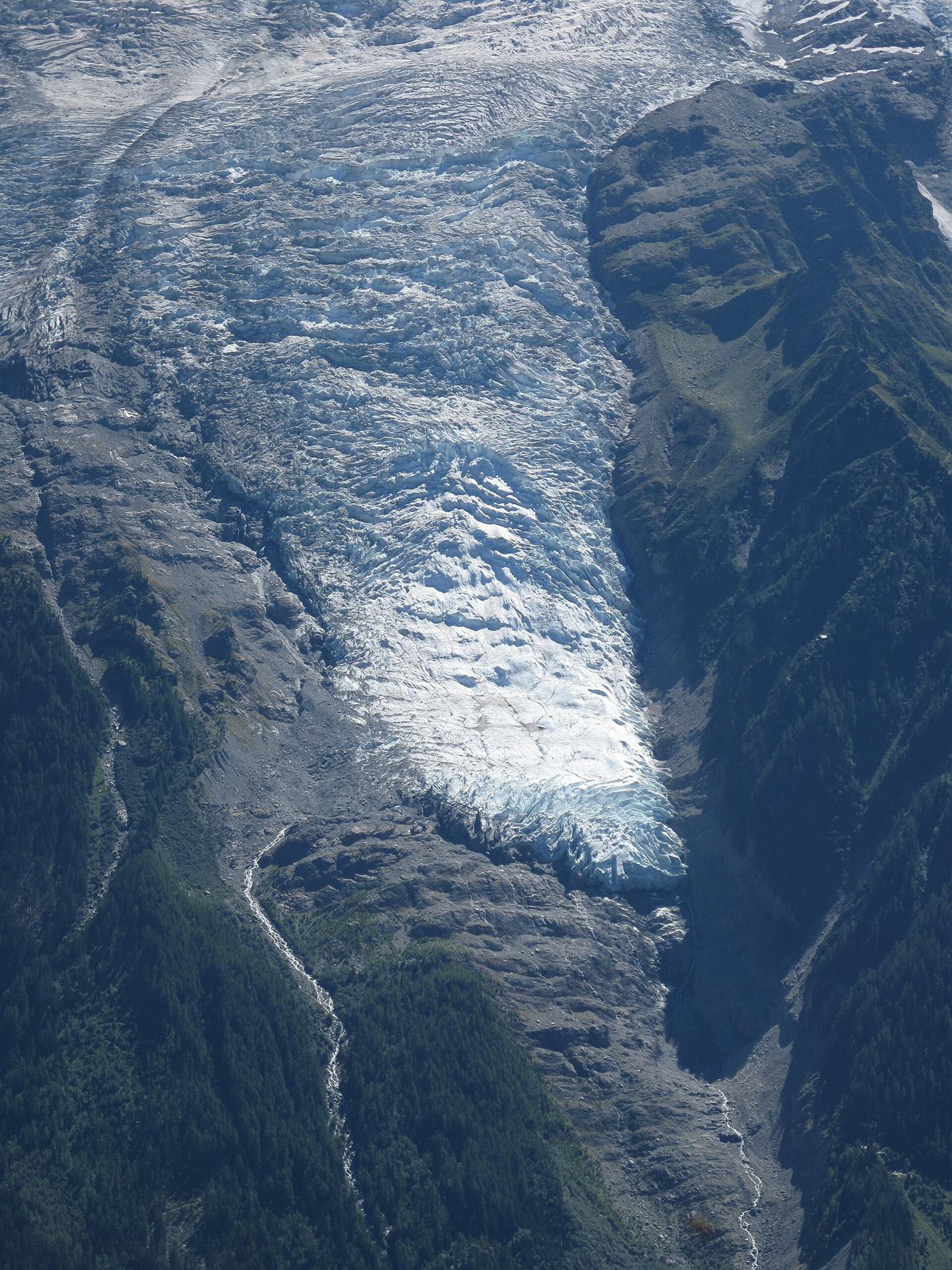
In the same week, researchers in Slovenia said a glacier could disappear within days, Reuters reported on 5 October, and earlier reporting recorded Swiss glaciers losing more than 5% of their ice after a record heatwave. Heat and ice are usually filed as separate environmental stories. They are the same story.
Heat stress is not the same as heat
A temperature is a property of the air. Heat stress is a property of a person in that air — it accounts for humidity, wind, clothing, housing, age and health. Two places with identical thermometers can produce entirely different heat-stress figures, which is why a headline number about a majority of a continent's population is more operationally useful than a record temperature anywhere in it.
- EU scientists say around half of Europe's population faced very strong heat stress this summer, per Reuters.
- A glacier in Slovenia could disappear within days, according to researchers cited by Reuters.
- Swiss glaciers were reported to have lost more than 5% of their ice after a record heatwave.
Why a glacier measured in days is a different kind of story
Glaciers are usually reported in the language of the century — a glacier that has been there for decades or centuries, retreating across a decade. Slovenia's glacier is being described in days, which means its ice is essentially gone already and only the final collapse of a remnant remains to be recorded. That converts a slow variable into an event.
It also matters for what depends on it. Glaciers are not scenery. They are seasonal water storage for the valleys and rivers below, and the communities downstream plan around meltwater arriving at a particular time of year. When the storage disappears, the water arrives at a different time, or not at all.
Reading heat and ice together
The two datasets measure the same energy balance from opposite ends. The heat-stress figures describe what is happening to people now, this season, in the present tense of a warm evening. The glacier figures describe what is happening to the physical infrastructure that stored winter's snow, on a delay measured in years.
What follows
The near-term work is adaptation that can be done inside a municipal budget — cooling centres, night-time street provision, alerts aimed at the elderly and the unhoused, water and power infrastructure sized for a hotter peak. The structural work is national and slow: grid build-out, building-code change, and the slow arithmetic of telling a river basin that its water source has moved.
For the corpus record, the position is this: a summer in which a majority of Europe's population experienced very strong heat stress, and a set of glacier measurements that show the cost being paid in ice. Both are reported by the same wire service in the same week, which is the point — they are one climate signal, not two.
Sources — 3 references
These are the published sources this article was established against. NOT SCRIPTED wrote the text above; the sources below are credited to their own publishers.
About the byline
Abhishek Nair
Forests, wetlands, heat and climate adaptation in the Indian states.
Read about the NOT SCRIPTED newsroom and how our bylines work.
Related coverage

Big oil asks the US Supreme Court to throw out climate suits. Here is what the request is, and why it matters
IMD forecasts a below-normal July after one of the driest Junes on record
IMD expects above-normal heatwave days through May, after a dry February