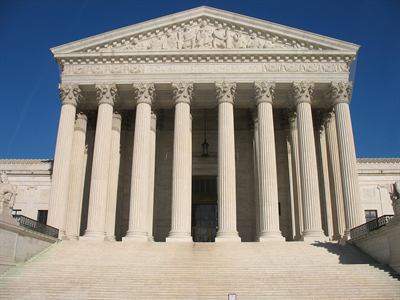
Big oil asks the US Supreme Court to throw out climate suits. Here is what the request is, and why it matters
The court's new term opened with a bid by major oil and gas companies to head off lawsuits that hold them liable for climate harm. The legal question underneath is older and larger than one case: can a court order a polluter to pay for damage that is decades away?
By Tara Iyengar · Environment Editor, Environment
The short version
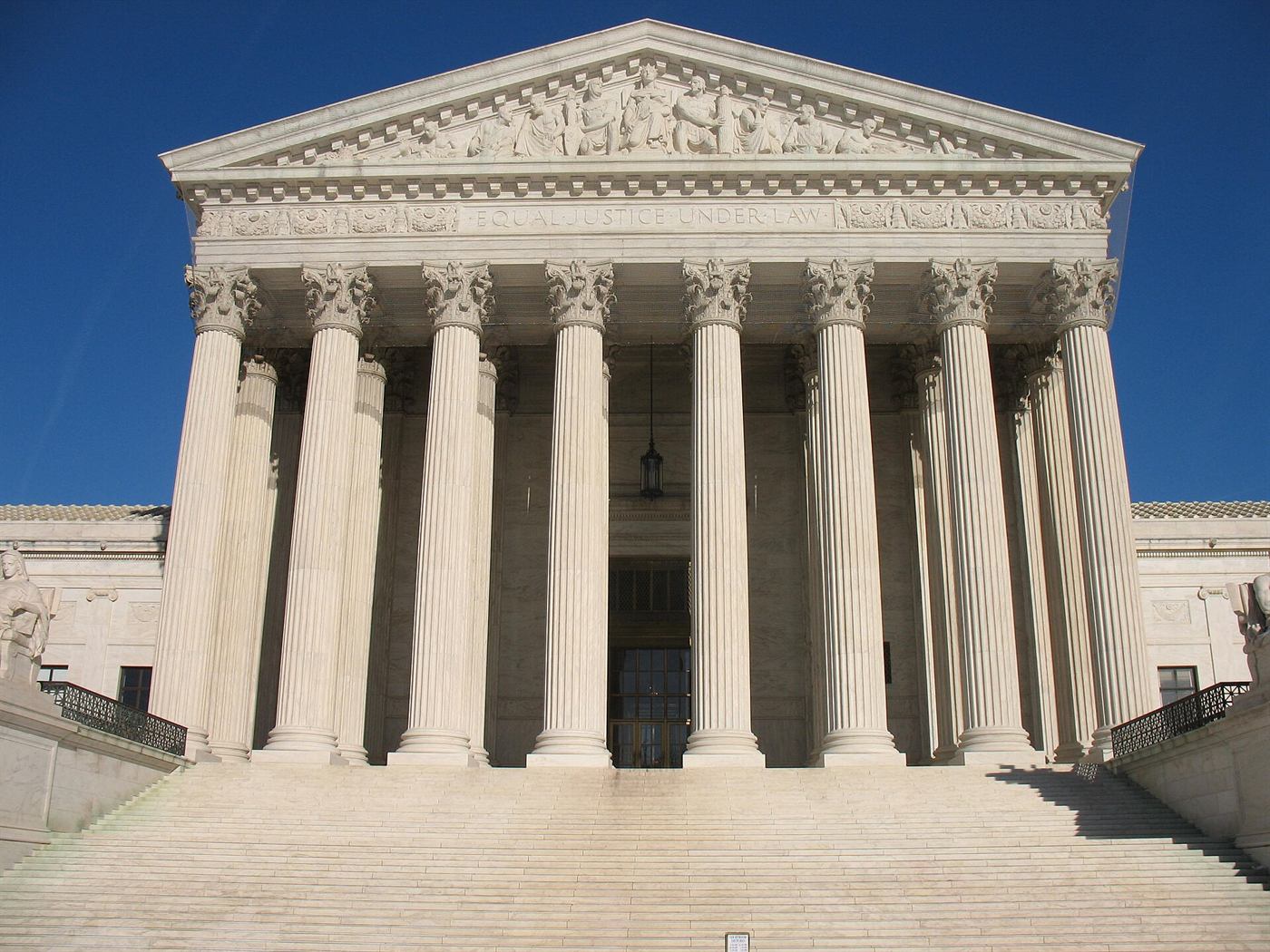
- The Supreme Court began its 2026 term with a request from major oil and gas companies to avoid, or to dismiss, climate-related lawsuits brought against them by US states and cities.
- The petitions ask the court to resolve a threshold legal question about when companies can be held responsible for the effects of greenhouse gas emissions.
- The outcome will shape a large and growing body of "climate nuisance" cases in state courts across the country.
The US Supreme Court opened its new term with a question that sits at the fault line of modern environmental law: when a fossil-fuel company emits carbon dioxide, and that emission eventually contributes to measurable climate damage, can a court hold the company responsible — and if so, how far back does that responsibility reach? The vehicle is a request by a group of major oil and gas companies to throw out or sidestep climate suits brought against them by states and cities.
Two Reuters reports capture the shape of it: one on the term opening with the bid by big oil to toss the climate suits, another from the following day on the court weighing whether the companies can be kept in the litigation at all. The distinction — "toss out" versus "stay in the room" — is the difference between a procedural detour and a potentially transformative ruling.
What the companies are asking the court to do
The petitions do not simply ask the court to rule on the science or on damages. They ask it to resolve an earlier, threshold question: whether the federal government, which regulates greenhouse gas emissions, has displaced state-law claims about the same emissions. If federal law occupies the field, the argument goes, the state cases must fall away.
- The core request is to avoid or dismiss the state climate suits, on the ground that federal emissions regulation pre-empts them.
- A win for the companies would push back a large wave of similar litigation now moving through state courts.
- A refusal to take the question would leave the state cases to proceed under state law, where the results already vary widely.
Why this is not just another lawsuit
The "climate nuisance" cases are notable because they do not ask a court to reduce a smokestack or fine a pollutant. They ask a court to hold that a defendant contributed to a global, cumulative phenomenon, and that its contribution was a substantial factor in specific harm — flooding, heat, damage to a coastline or a farm. That framing has always drawn the objection that the causal chain is too diffuse to support liability.
The companies' response has been to attack the causal and legal chain itself, arguing that climate change is a global problem for which no single emitter can be held responsible, and that the question is properly one for regulators and legislatures, not courts. The court's answer will therefore say something about how far the judiciary is willing to go on multi-decade, multi-source harm.
The emissions question hiding underneath
Federal regulation of greenhouse gases runs through the Clean Air Act, and the administration has repeatedly signalled that it does not want the act used to force deep emissions cuts through the courts. That posture matters here: if federal policy points one way while state courts push the other, the Supreme Court's view of who decides becomes the real decision.
It helps to keep the scale in view. Even a court decision that lets the state cases proceed would not by itself compel any single company to cut emissions; it would determine whether individual firms can be made to answer for harm in a particular city or coastline. The symbolic and practical weight is much larger than the immediate remedy, which is exactly why the term opened with it.
The bottom line
For now, the petitions are being weighed. Until the court acts, the climate suits continue through the state system, producing the patchwork of results that the companies want ended and that cities defending themselves rely on. The term's opening argument is therefore a preview of a longer, quieter fight over who — courts, regulators or legislatures — gets to answer a question that no single institution can answer alone.
Sources — 2 references
These are the published sources this article was established against. NOT SCRIPTED wrote the text above; the sources below are credited to their own publishers.
About the byline
Tara Iyengar
Edits the environment desk. Tracks air quality data, riverine pollution and the energy transition.
Read about the NOT SCRIPTED newsroom and how our bylines work.
Related coverage

Half of Europe faced very strong heat stress this summer, and the glaciers are paying for it
A late monsoon, a downgraded forecast and an El Nino advisory: what June's rainfall numbers mean

The monsoon forecast fell to 90%. Here is what that number actually controls