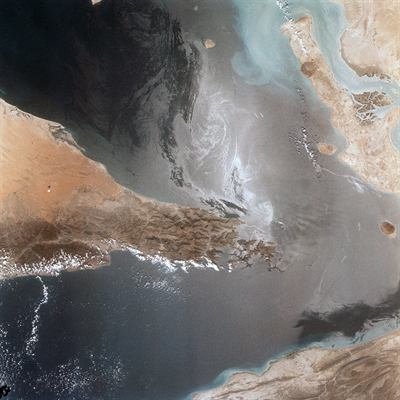
Strikes on Iran push oil towards $70 and reopen the Hormuz question
Reuters reports Brent near $70 after joint US-Israeli strikes and Iranian retaliation, with no confirmed damage to oil infrastructure and no reported disruption to shipping through the Strait of Hormuz at the time of writing.
By Leila Haddad · Geopolitics Correspondent, Geopolitics

The short version
- The United States and Israel struck Iran, and Iran retaliated, in February 2026.
- Brent crude was reported near $70.
- The region accounts for roughly a fifth of global oil supply.
- No confirmed major damage to Iranian oil infrastructure, and no reported disruption to Hormuz shipping, at the time of writing.
Oil moved towards $70 a barrel on February 28 after joint American and Israeli strikes on Iran and Iranian retaliation, according to Reuters, which described the episode as the most serious disruption to the oil market in decades. An Israeli official said the operation against Iran was coordinated with the United States. Iran's retaliatory fire did not, as of Reuters's reporting on Saturday, extend to the shipping lanes that carry the region's exports.
- Brent crude: near $70, per Reuters
- Iranian oil infrastructure: no confirmed major damage reported
- Strait of Hormuz: no reported disruption to shipping at the time of writing
- Regional share of global oil supply: roughly one fifth
That last line is the whole market. Most Iranian exports leave through Kharg Island in the Gulf, and the Strait of Hormuz sits on the route that carries Saudi, Iraqi, Emirati and Qatari volumes as well. A closed or partially closed strait would not be an Iranian problem; it would reprice supply from every producer in the region. The National, reporting the same day, focused on the wider conflict fears rather than on any specific escalation at sea.
The reason the price reaction has been contained so far is that the physical infrastructure has held. Traders are pricing a risk that has not yet materialised, and the gap between those two things is where the next move will come from: any confirmed damage to a terminal or pipeline would convert a geopolitical premium into a physical shortfall, and the response would be immediate and severe.
For importers, including India, the near-term question is not the headline price but how long the risk premium persists. Le Monde's coverage of the same day framed the French response around fears of rising pump prices, which is the domestic expression of a market that is still functioning. Nothing in the reporting available on February 28 establishes that the Strait has been closed, and this report does not claim it.
Sources — 4 references
These are the published sources this article was established against. NOT SCRIPTED wrote the text above; the sources below are credited to their own publishers.
About the byline
Leila Haddad
Energy security, shipping chokepoints and the Gulf.
Read about the NOT SCRIPTED newsroom and how our bylines work.
Related coverage
The Hormuz risk premium is now a number in the oil price, and the number is small
Iran says the Strait of Hormuz will not reopen until its conditions are met
The Strait of Hormuz has been cleared of mines, the United States says