Four fossil leaves from Assam push the kevda family's record back 24 million years
Late Oligocene Pandanaceae leaves recovered from the Makum Coalfield match features still visible on the living plant, and point to tropical lineages surviving climatic upheaval in South Asia.
By Gaurav Menon · Science Correspondent, Science
The short version
- Four fossil leaves from the Tikak Parbat Formation in the Makum Coalfield, Assam, date to the late Oligocene, about 24 million years ago.
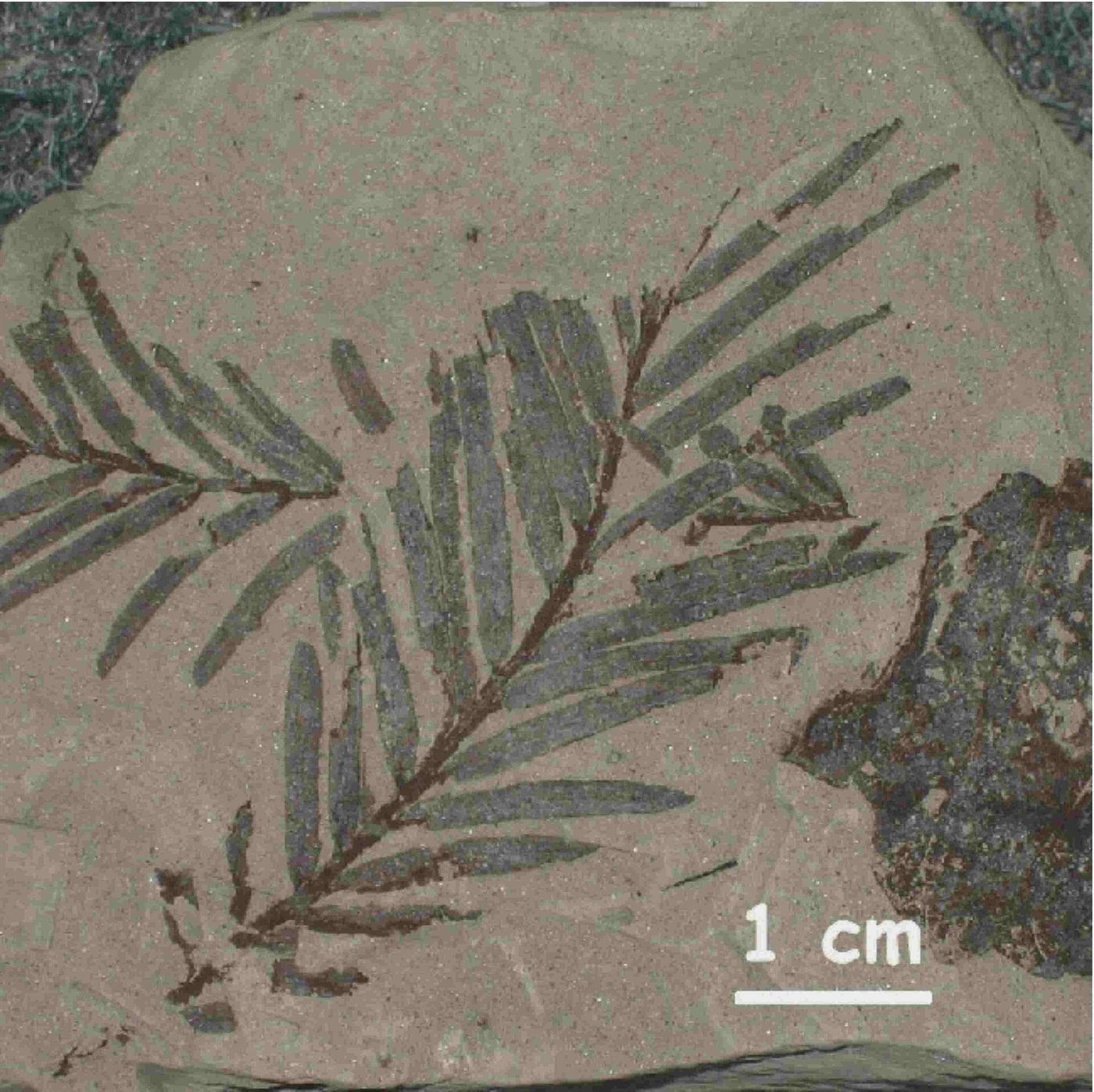
- They preserve long sword-shaped leaves with parallel veins and marginal prickles still characteristic of living kevda.
- The findings were detailed in a Ministry of Science and Technology press release.
Four fossil leaves recovered from a coalfield in Assam have extended the known record of the kevda family in South Asia by roughly 24 million years. The material comes from the Tikak Parbat Formation within the Makum Coalfield and dates to the late Oligocene.
The identification rests on morphology that has not changed much. The leaves retain long, sword-shaped blades with parallel venation and small prickles along the margins — features a field botanist can match against a living kevda plant today. For a plant family, that kind of conservatism is the evidence; for a palaeobotanist, it is a rare gift.
Why a 24-million-year-old leaf matters
The Ministry of Science and Technology framed the discovery as evidence that India preserved ancient tropical plant lineages through periods of dramatic climatic change. That is a larger claim than the identification, and it is the claim the press release is making: ecosystems that have otherwise disappeared can be reconstructed by comparing fossil specimens with living species and tracking how vegetation responded to shifting climates, landscapes and geological events.
- Where: Tikak Parbat Formation, Makum Coalfield, Assam.
- How many: four exceptionally preserved fossil leaves.
- When: late Oligocene, roughly 24 million years ago.
- Family: Pandanaceae — the kevda or screw-pine family.
The study is titled 'Fossil leaves of Pandanaceae from India suggest Paleogene persistence of the family in South Asia', which states the conclusion more carefully than a headline can. Paleogene persistence means the family was already present and holding on through that interval, not that it arrived then.
There is a methodological caution worth keeping. Fossil leaves can be matched to a living family with high confidence and to a living species with much less of it, and the distinction between 'kevda's ancestors' and 'kevda' is exactly the kind of line that erodes in popular retelling. The 24-million-year shift concerns the family's presence in South Asia. It does not establish that the plant in a kitchen today is unchanged.
Sources — 2 references
These are the published sources this article was established against. NOT SCRIPTED wrote the text above; the sources below are credited to their own publishers.
About the byline
Gaurav Menon
Space, physics and the institutions behind them.
Read about the NOT SCRIPTED newsroom and how our bylines work.
Related coverage
IN-SPACe's chairman says ISRO will stop making launch vehicles and hand the technology over

NASA names the Artemis 3 crew — and the mission will not set foot on the Moon
ISRO fires the CE-20 at sea level, the long wait for LVM3 steps closer