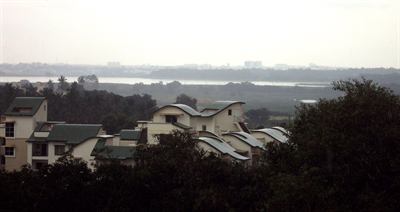
CWMA upholds the Cauvery release order, and the protests have already begun
The authority rejected Karnataka's request to defer the CWRC direction and reaffirmed 3,500 cusecs a day at Biligundlu for 15 days. Farmer groups, Kannada organisations and the state's film industry have closed ranks against it.
By Vikram Nadkarni · Karnataka Correspondent, Bengaluru & Karnataka
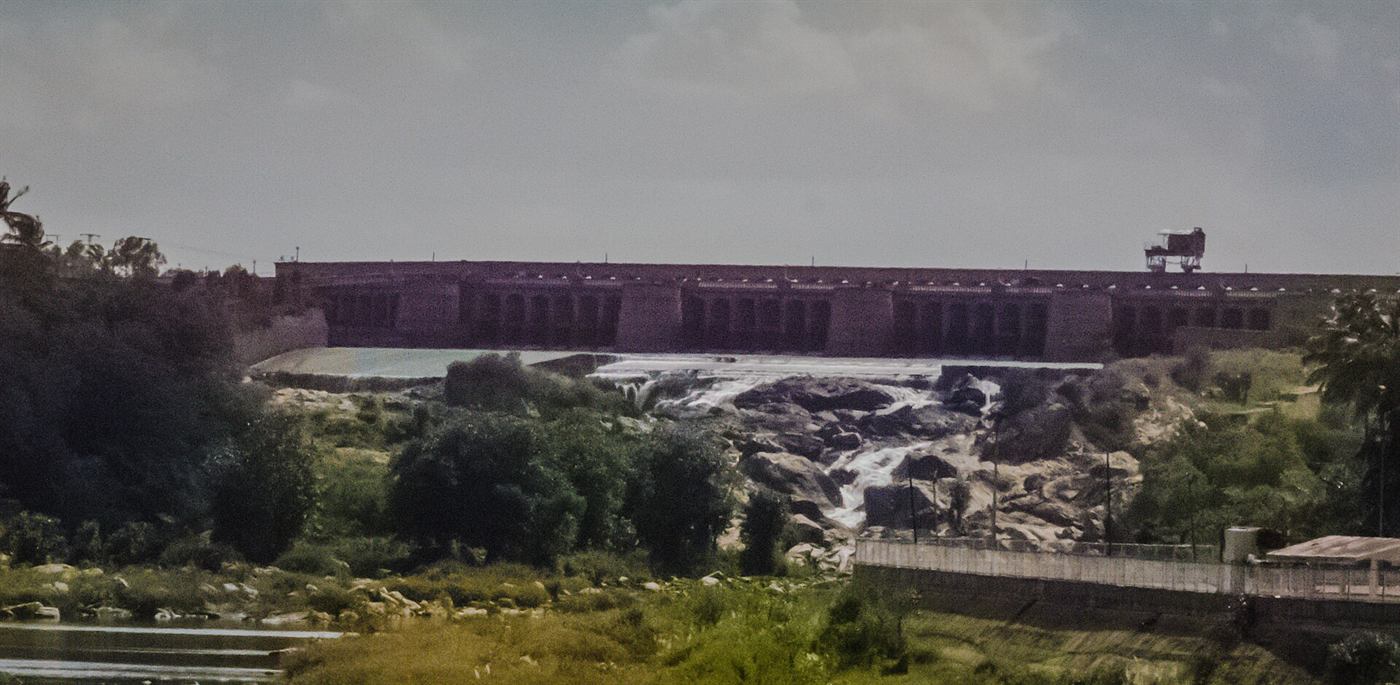
The short version
- The Cauvery Water Management Authority rejected Karnataka's plea to defer the release and upheld the CWRC's July 28 recommendation.
- The direction requires a daily flow of 3,500 cusecs at Biligundlu for 15 days from July 29 — about 4 TMC of water.
- Karnataka said inflows were severely deficient; flows at Biligundlu stood at 176 cusecs as of July 27.
The Cauvery Water Management Authority rejected Karnataka's plea to defer the release of water to Tamil Nadu on Thursday, July 30, and upheld a recommendation directing the state to let 3,500 cusecs flow daily for 15 days. The decision drew immediate opposition from farmer groups, political parties and Kannada organisations, and from a quarter of the state's film industry that does not usually appear in water politics at all.
The underlying order was older than the decision. On July 28 the Cauvery Water Regulation Committee directed Karnataka to ensure a flow of 3,500 cusecs at Biligundlu from July 29 for 15 days, which works out to roughly 4 thousand million cubic feet. The CWMA's job on Thursday was to decide whether that order would be held in abeyance. It was not.
- 3,500 cusecs — required daily flow at Biligundlu, for 15 days from July 29.
- About 4 TMC — the implied total volume of that release.
- 176 cusecs — the flow actually standing at Biligundlu as of July 27.
- 1,822 cusecs — combined outflow from the KRS and Kabini reservoirs on the same date.
- August 2 — the all-party meeting called by Chief Minister D. K. Shivakumar.
The state's case, and its numbers
Karnataka had asked the CWMA to keep the CWRC's direction in abeyance for another fortnight, citing severe hydrological distress caused by deficient inflows. Deputy Chief Minister G. Parameshwara put it more bluntly on July 29: the state was not in a position to release water because of a shortage, even for drinking water needs.
The flow figures available at the end of July made the argument concrete rather than rhetorical. Against a requirement of 3,500 cusecs at the metering point, Biligundlu was carrying 176, and the KRS and Kabini reservoirs together were releasing 1,822. Those are the numbers the state was working from when it asked for more time, and they are the numbers a court will eventually be asked to consider.
- Opposition to the order has come from farmer groups, political parties, Kannada organisations and the Kannada film industry.
- Protests were reported in Mandya on July 30, the district that receives the water.
- The Chief Minister's Office said Karnataka had urged the CWMA to hold the direction for a further fortnight.
- The CM has called an all-party meeting on August 2 to decide the state's course of action.
The August 2 meeting is the next scheduled event and the one to watch. An all-party meeting called by a chief minister who inherited a three-party coalition does not guarantee agreement, and the pressure on it is coming from outside the assembly as much as inside it. The decision the CM's office has to bring back is whether to seek a legal stay, seek a variation of the quantum, or comply — and each of those has a different cost with a different constituency.
Sources — 3 references
These are the published sources this article was established against. NOT SCRIPTED wrote the text above; the sources below are credited to their own publishers.
About the byline
Vikram Nadkarni
State finance, revenue and the districts outside the ring road.
Read about the NOT SCRIPTED newsroom and how our bylines work.
Related coverage
Bengaluru's Green Line runs in a short loop for 45 minutes after a power breakdown
TCS opens an NVIDIA-backed industrial AI lab on its Bengaluru campus