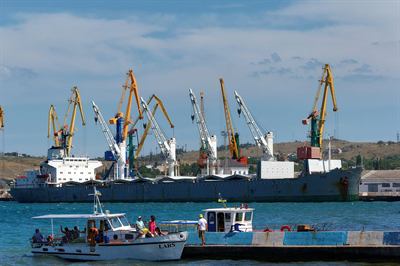
How a war risk premium, a mine and a hull inspection end up in the price of everything you buy
The visible cost of a closed strait is not the barrel. It is a set of percentages charged per voyage, per charter and per container, and they compound.
By Yuki Tanaka · Asia Correspondent, World
The short version
- CNBC reported war-risk premiums rising from a baseline near 0.125% of hull value to as much as 0.4% on the worst routes.
- Times of Israel, citing a maritime agency, reported 20 deaths in 68 incidents near the strait over six months.
- Mine risk is the reason a war-risk quote survives a month of quiet news.
A war risk premium is a percentage of the hull's value, charged by the underwriter for the duration of a voyage into a designated area. It is not a tax and it is not negotiated per cargo. It is applied by the insurer, added to the voyage cost and eventually passed to whoever pays for the freight.
Where the number went
- Baseline war-risk premium on Gulf voyages: about 0.125% of hull value, per CNBC's March reporting.
- Peak quoted level on the worst routes: as much as 0.4%.
- That is a fourfold to sixfold increase, and it applies per voyage, not once per voyage.
The mechanism is unglamorous. A ship chartered for a single Gulf voyage pays it once. A ship on a liner service that calls at the strait pays it on the leg. A container that moves six times on one route may carry it six times by the time it is unloaded inland.
Why a mine outranks a headline
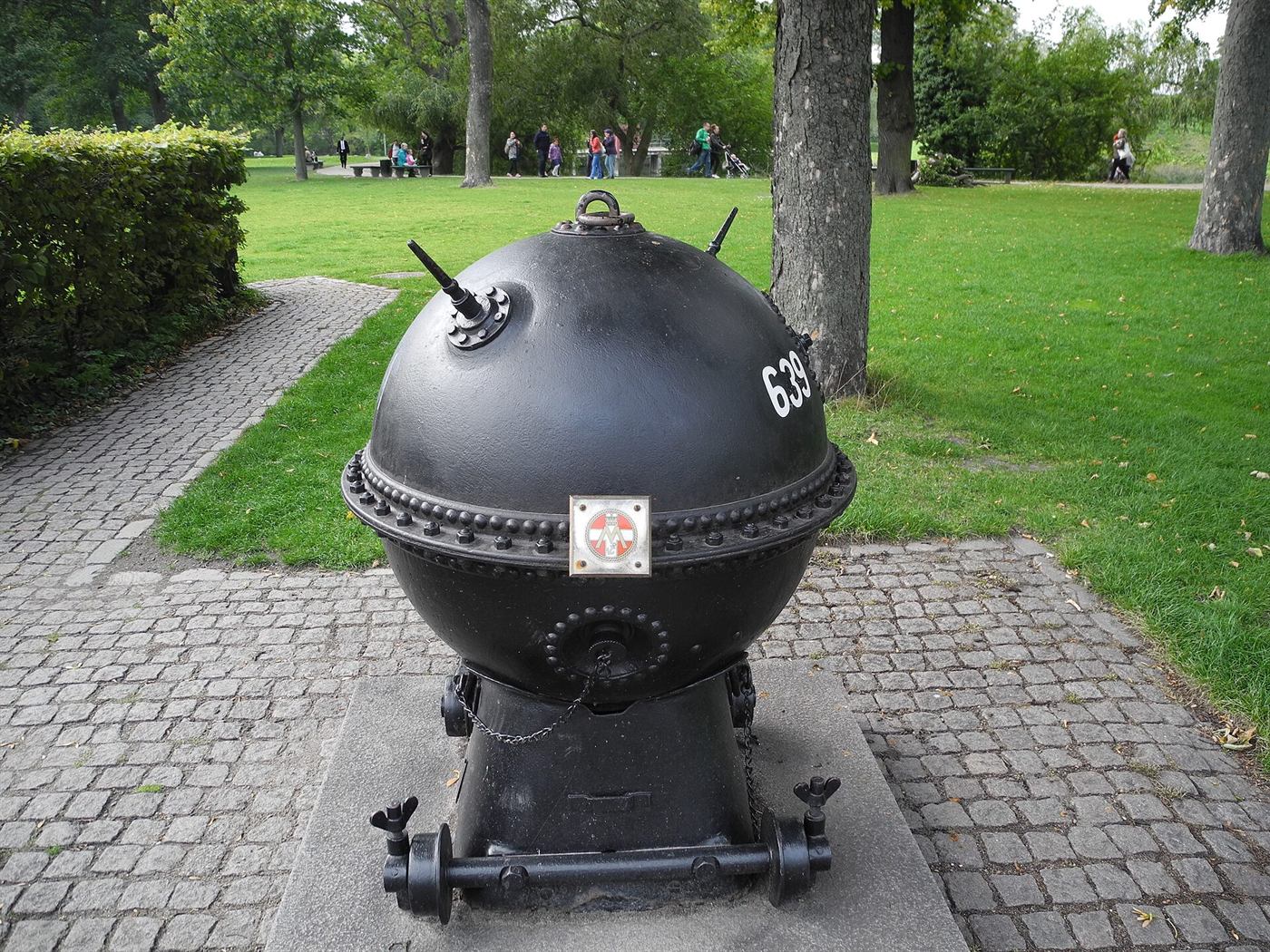
A projectile strike is an event: reported, attributable or not, then priced. A mine is a standing condition. It requires survey vessels, contracts and a weather window, and it removes the possibility of simply resuming traffic when the shooting stops.
The Times of Israel, citing a maritime agency, reported 20 deaths in 68 incidents near Hormuz over six months of war, with 35 injured and one missing. Those are the incidents crews are quoted against, and they are the reason a naval claim of clearance does not by itself produce a lower quote.
What actually lowers it
What actually lowers it: transits resuming without incident, navigational warnings being amended, and the passage of time with no new entry in the incident log. A declaration is a catalyst for that process, not a substitute for it.
- War-risk quotations for the strait after the reported clearance claims.
- Amendments to navigational warnings in the area.
- Transit volumes, which are the closest published proxy for what insurers believe.
Sources — 3 references
These are the published sources this article was established against. NOT SCRIPTED wrote the text above; the sources below are credited to their own publishers.
About the byline
Yuki Tanaka
East and Southeast Asia, trade and supply chains.
Read about the NOT SCRIPTED newsroom and how our bylines work.
Related coverage
War-risk cover on Gulf shipping has repriced fivefold, and the treaty is still live
US and Iran agree a framework to end the war and reopen the Strait of Hormuz
Norway wants AI glasses kept out of some public places. Here is why, and how far the idea goes