War-risk cover on Gulf shipping has repriced fivefold, and the treaty is still live
Marsh reports additional premiums for Hormuz transits rising from 1-3% of hull value to 7.5-10% in weeks. India's state-backed pool has not moved yet, which is the more interesting fact.
By Leila Haddad · Geopolitics Correspondent, Geopolitics
The short version
- Additional war-risk premiums for Strait of Hormuz transits rose from 1-3% of hull value weeks ago to 7.5-10%, Marsh reported on July 22.
- Premiums for high-risk Red Sea transits have hardened by as much as 200 per cent, according to industry brokers.
- Rates under India's Bharat Maritime Insurance Pool have remained unchanged despite the pool reporting its first loss.
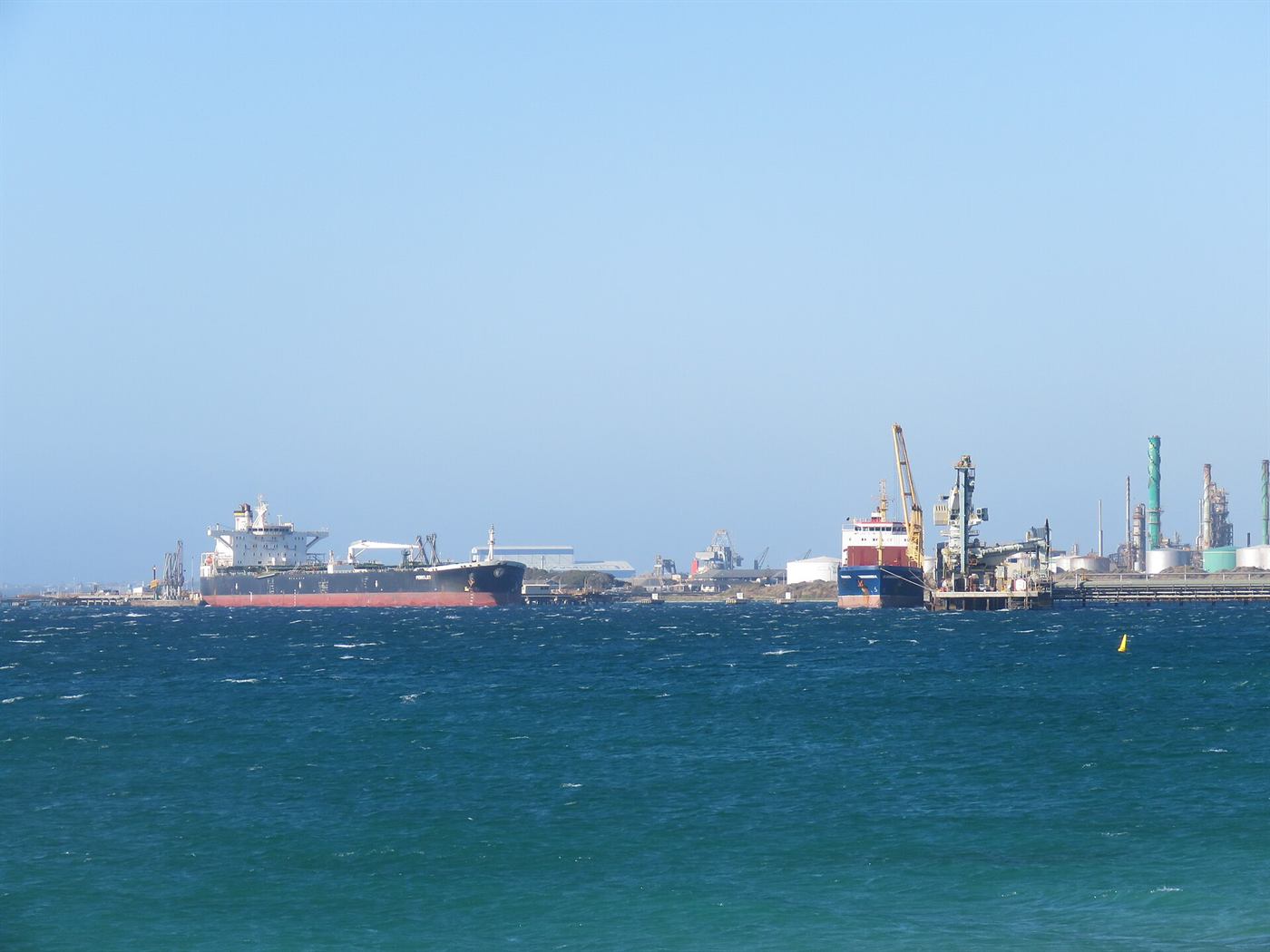
The most consequential number in the West Asia conflict is not a barrel-price quote or a port throughput figure. It is the additional war-risk premium a shipowner pays to be covered while transiting the Strait of Hormuz, and that number has moved fivefold in weeks. Marsh put it at 7.5 to 10 per cent of hull value by July 22, against 1 to 3 per cent a few weeks earlier.
That is the private market repricing in real time. A shipowner who priced a voyage in May on the assumption that the strait was merely tense is now paying several times what the same voyage cost in April, and the cost is charged per transit rather than per voyage, so a string of Gulf calls multiplies it.
The ceasefire that was supposed to price this out
The insurance market had already relaxed once. Premiums began easing after Iran and the United States signed a ceasefire agreement in Geneva and trade conditions stabilised, and they fell for about a month. Then military activity resumed, and the trend reversed within roughly a fortnight.
Prudent Insurance Brokers put the scale of the reversal at 50 to 200 per cent depending on route, cargo and insurer, and attributed it to reinsurers hardening rates again. The distinction between a treaty being signed and a treaty being priced is the single most useful thing to understand about this market: underwriters do not trade on announcements, they trade on their own assessment of the next incident.
- Hormuz transits: additional war-risk premium of 7.5-10% of hull value, up from 1-3% weeks earlier (Marsh, July 22).
- High-risk Red Sea transits: rates up by as much as 200% (industry brokers, via Business Standard).
- Routing: ships avoiding the Bab-el-Mandeb and diverting around the Cape of Good Hope, adding voyage time and freight cost.
- India's Bharat Maritime Insurance Pool: rates unchanged so far, though the pool has reported its first loss.
That last line is the one an Indian reader should sit with. The Bharat Maritime Insurance Pool was designed precisely to hold war-risk cover that the private market would not write at any price, and its committee reviews rates weekly. An unchanged rate after a fivefold private move is a deliberate subsidy, and it is finite. When the committee next meets and a claim experience record exists rather than a forecast, the arithmetic changes.
The strategic argument is not only about oil. Sustained premia of this size make the Cape routing permanent rather than tactical, which permanently lengthens the Asia-Europe cycle and permanently adds to the cost of everything that moves through the region. The war will be remembered by how it ends; the shipping market will be shaped by how long the underwriters stay cautious.
Sources — 3 references
These are the published sources this article was established against. NOT SCRIPTED wrote the text above; the sources below are credited to their own publishers.
About the byline
Leila Haddad
Energy security, shipping chokepoints and the Gulf.
Read about the NOT SCRIPTED newsroom and how our bylines work.
Related coverage
How a war risk premium, a mine and a hull inspection end up in the price of everything you buy
US and Iran agree a framework to end the war and reopen the Strait of Hormuz
The Hormuz risk premium is now a number in the oil price, and the number is small